
Our latest Projekta event brought together a mix of people for a relaxed afternoon of board games, game design and Erasmus+ opportunities. It was a chance to play, meet new people, share ideas and discover how many skills we use when we’re simply enjoying ourselves.
Playing games and discovering new opportunities
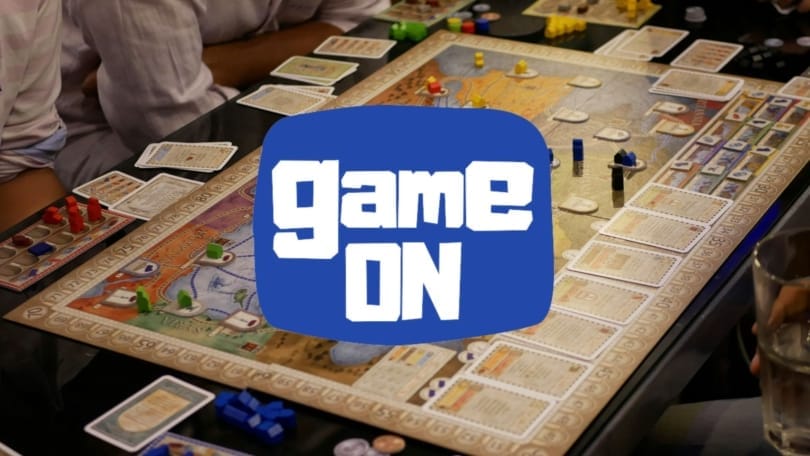
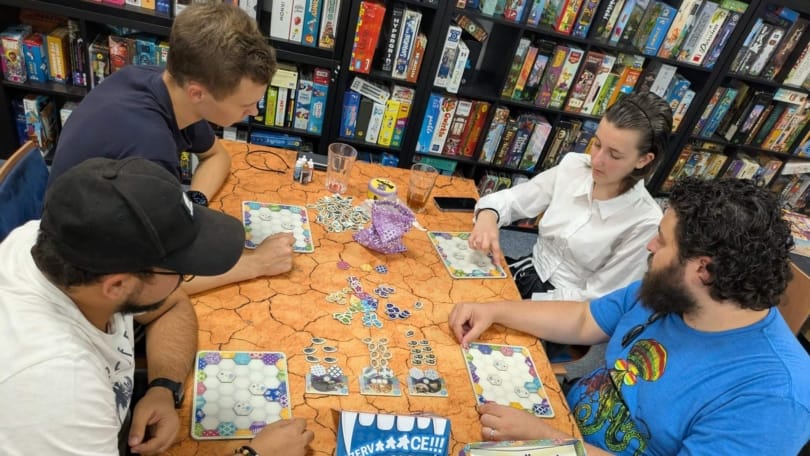
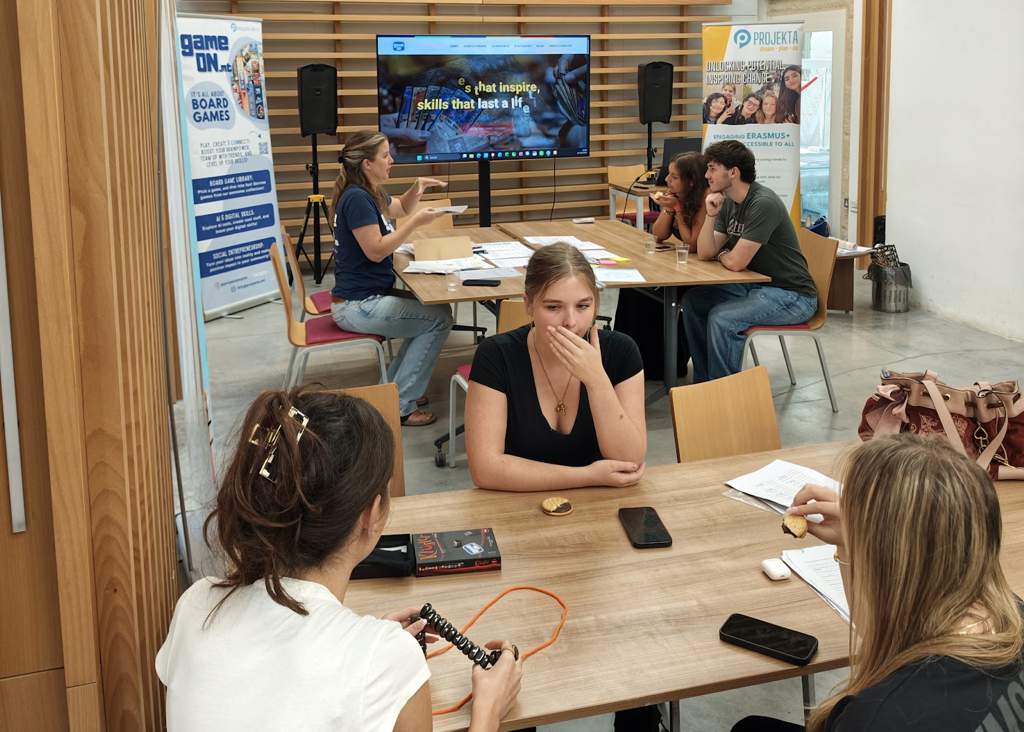
We started by playing some of the board games from our GAME ON collection, where we have been exploring how games can support learning, participation and skills development.
Some people came simply to play and meet others. Others were curious about Erasmus+ and wanted to understand what opportunities are available to them.
We talked about Youth Exchanges and other international opportunities, including those offered not only by Projekta but also by other local organisations.
We also introduced participants to erasmus.mt, our platform where young people can discover Erasmus+ opportunities and find out about activities and organisations in Malta.
One thing we always emphasise is that opportunities do not usually appear out of nowhere. Getting involved with organisations, attending activities, meeting people and showing genuine interest can make a real difference.
The more active you are, the more likely you are to hear about new projects, discover opportunities that interest you and be ready when something comes along.
From playing games to designing The Island
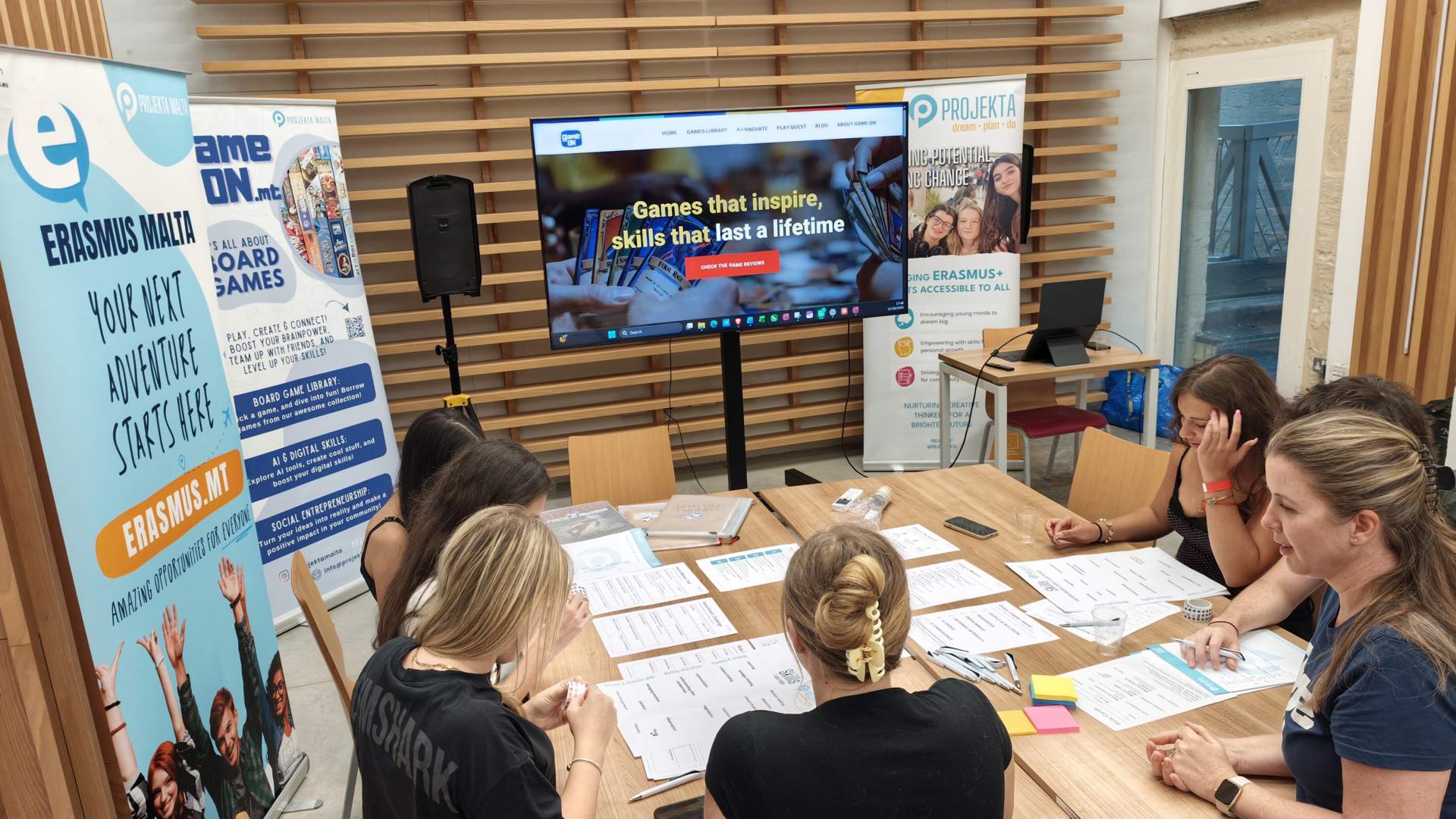
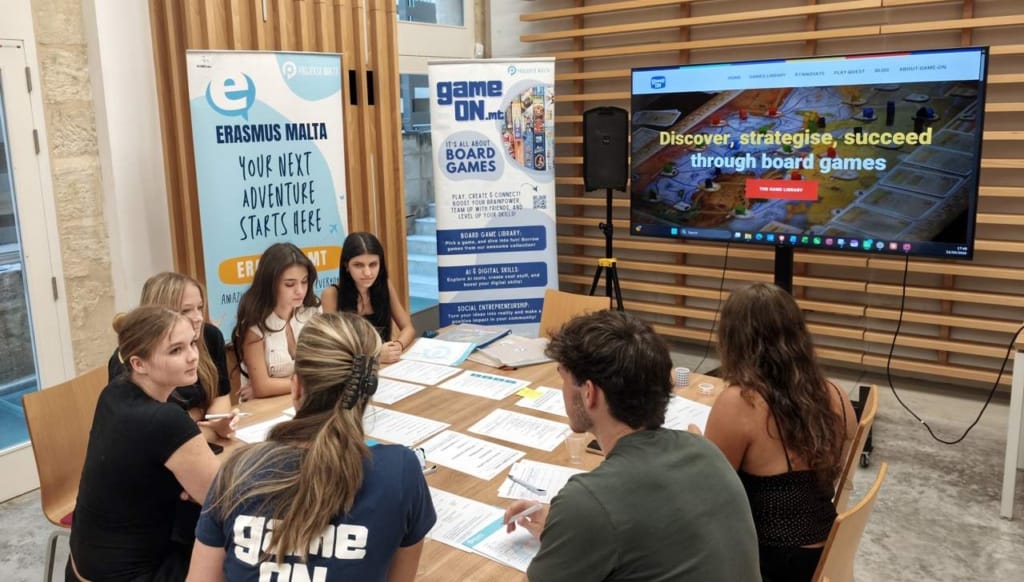
While some participants were enjoying board games, others spent the afternoon working on something completely new.
We are developing The Island, a collaborative game where young people can explore different topics through an immersive experience that unfolds over several sessions, rather than mainly through traditional workshops.
For the version we are currently creating, the topics are democracy and active citizenship. That might sound quite serious, but the idea is to explore them in a much more practical and enjoyable way.
Players will become residents of a small fictional island and help run their community. Each person will have a role, different interests and responsibilities.
As the game develops, the island will face different events, problems and challenges. Players will need to communicate, discuss different opinions, negotiate and agree on what to do.
Their decisions will affect what happens next. Choices made earlier in the game might create new opportunities, unexpected consequences or further problems later on.
The aim is not to tell participants what the “right” decision is. Instead, we want to create situations where they need to think, listen to others, consider different needs and deal with the consequences of their choices.
Designing a game that can be adapted
One important part of The Island is making it flexible. The basic game structure should be reusable with different topics, depending on what an organisation wants young people to explore.
The length could also change. A shorter version might be played within a few hours, while a longer version could continue across several days.
For the version we are currently developing, we are designing it specifically to run throughout an international Youth Exchange, with short game sessions connected to the learning activities taking place during the week.
This added another challenge for our young game designers.
They were not only thinking about how to make the game interesting and enjoyable. They also had to consider how it would fit into a real international Youth Exchange.
Would the timing work? Would the activities be understandable for young people from different countries? How would the game connect with other sessions during the day? Would everyone have a meaningful role? Would the topics fit naturally into the programme?
By working through these questions, participants also gained practical experience in planning a Youth Exchange and understanding how different activities need to connect within one programme.
In other words, they were not just designing a game. They were also learning how to design a learning experience for other young people.
So many skills, without even noticing!
Skills were another important part of the afternoon.
Those playing board games were using skills such as communication, teamwork, strategy, planning, decision-making and problem-solving.
Meanwhile, those designing The Island were using a slightly different combination: creative thinking, planning, problem-solving, communication, collaboration, critical thinking and the ability to look at an idea from different perspectives.
At the end of the event, everyone was invited to mark which skills they felt they had used the most.
It was especially interesting to see people realise just how many skills they had been practising while playing a game, discussing an idea or working together.
And that is something we have been exploring throughout GAME ON: games are not just entertainment. They can also create opportunities to practise useful skills, often without us even realising it.
Playing and designing games allows us to try different approaches, make decisions, solve problems, learn from mistakes and work with others, all in an enjoyable and informal setting.
Most importantly, it was still a relaxed afternoon. New people joined us, people got to know each other, games were played, ideas were shared and everyone had a chance to contribute in their own way.
Join us for the next game design session!
We are planning another session soon, where we will continue developing, improving and testing The Island.
And we would love more young people to join us!
You do not need to be a game designer, an Erasmus+ expert or know anything about democracy in advance.
If you are curious, creative and willing to share ideas, try things out and tell us what works and what does not, you are very welcome.
You can help us:
Create new characters, roles, tasks and challenges.
Test different parts of the game.
Improve the rules.
Make the game more enjoyable and easier to understand.
Explore how it could work with an international group.
And, as always, joining Projekta activities is also a great way to learn about future opportunities, meet people involved in our projects and discover what might be coming next.