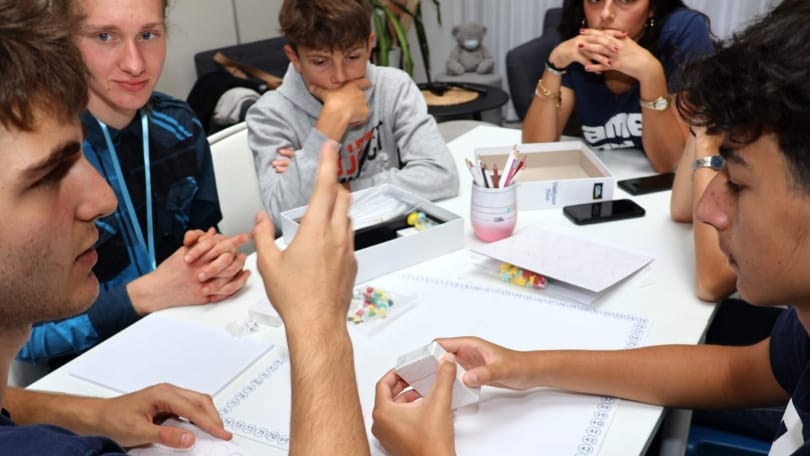

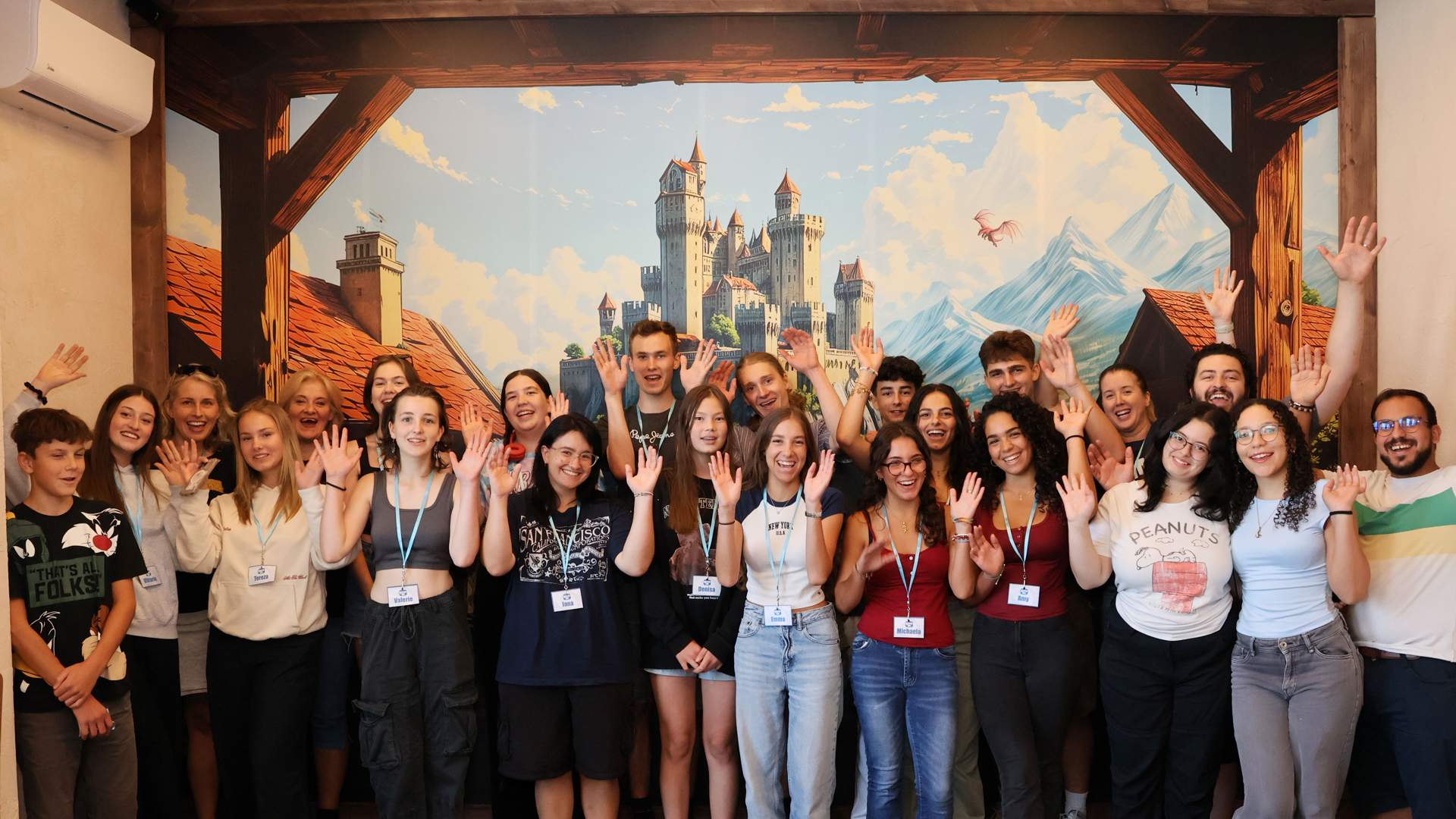
PlayQuest was the international learning experience at the heart of GameChangers, bringing young people from Malta and Czechia together for a week of games, creativity and hands-on learning.
While our PlayQuest Chronicles show what participants experienced during the programme, a lot happened before anyone arrived in Prague. Months of planning, communication and local coordination were needed to turn the idea into a seven-day learning journey.
A Programme Built Together
Planning PlayQuest was a shared process between the Maltese and Czech partners.
Projekta Malta brought the overall project vision and ideas for the learning experiences, while the Czech team contributed its local knowledge, contacts and understanding of venues and organisations that could bring those ideas to life.
This combination was important. The aim was never simply to fill a week with entertaining activities. Each experience needed to contribute something different to the journey — from playing and teamwork to entrepreneurship, professional game development and eventually creating new ideas.
Getting to Know the Participants First
An important part of the preparation actually began in Malta.
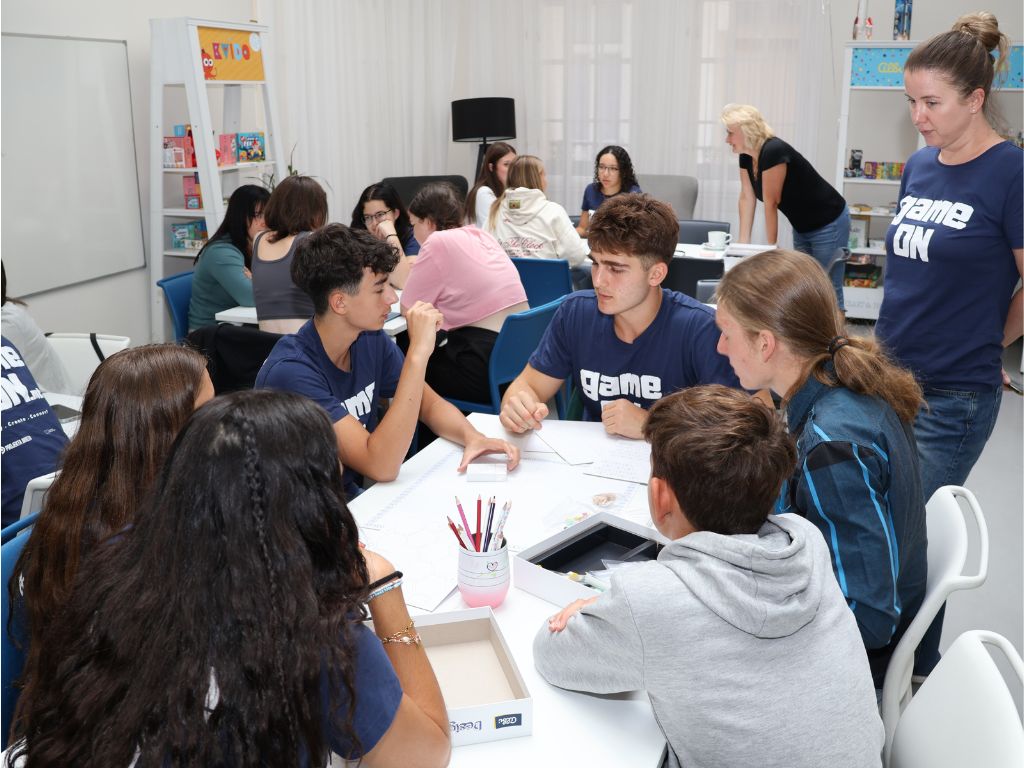
During a preparatory visit connected with a Game On board-game activity, the Czech organisers met many of the young people who would later take part in PlayQuest.
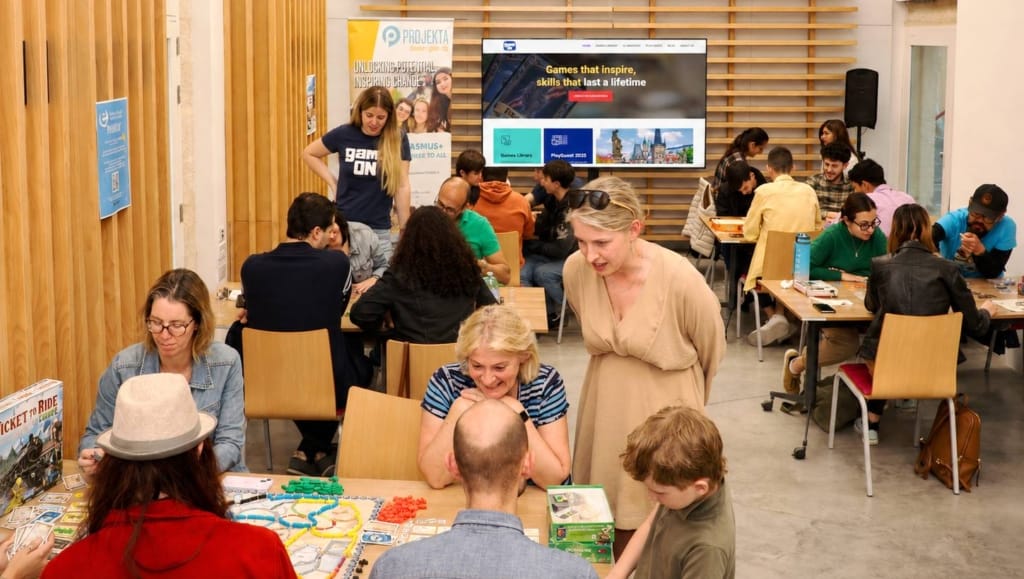
Knowing the group in advance helped make programme planning more personal. Activities could be considered with a clearer understanding of participants’ interests, expectations and enthusiasm for games and creativity.
The Czech participants were recruited locally through board-game and community Facebook groups, Game On social media and regional media. This helped reach both young people already interested in modern board games and others from Dobříš and the surrounding area.
Choosing Experiences, Not Tourist Attractions
The Czech team looked for venues because of what participants could learn from them rather than simply because they were popular places to visit.
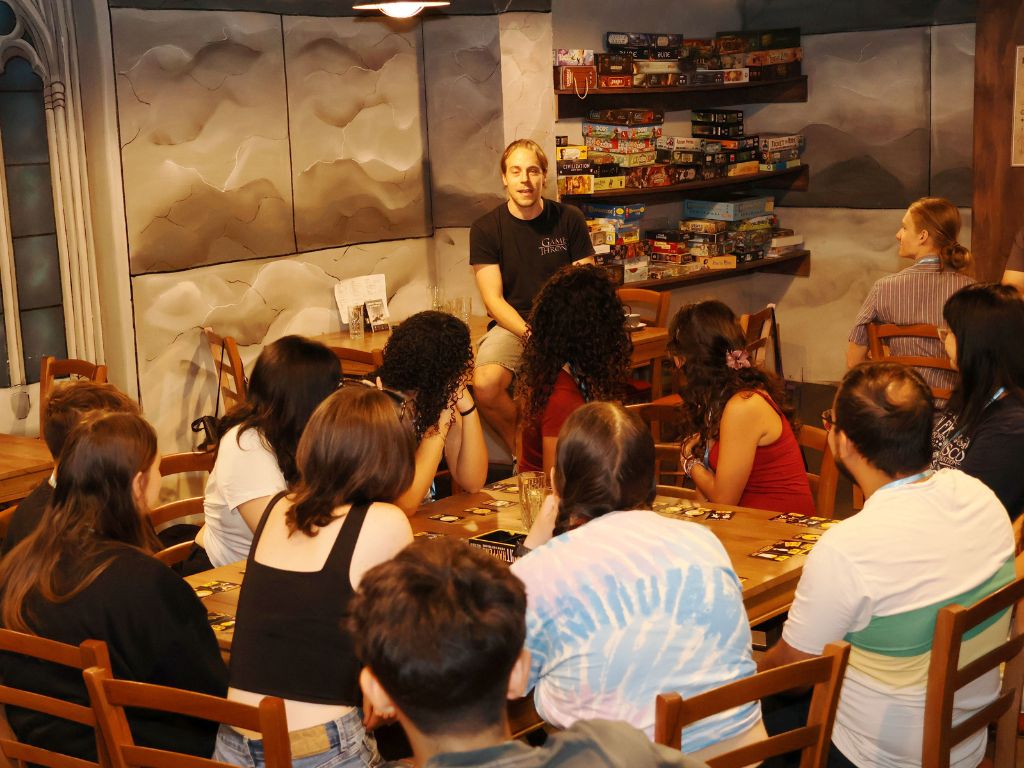
The Grail provided a relaxed starting point where Maltese and Czech participants could meet through board games.
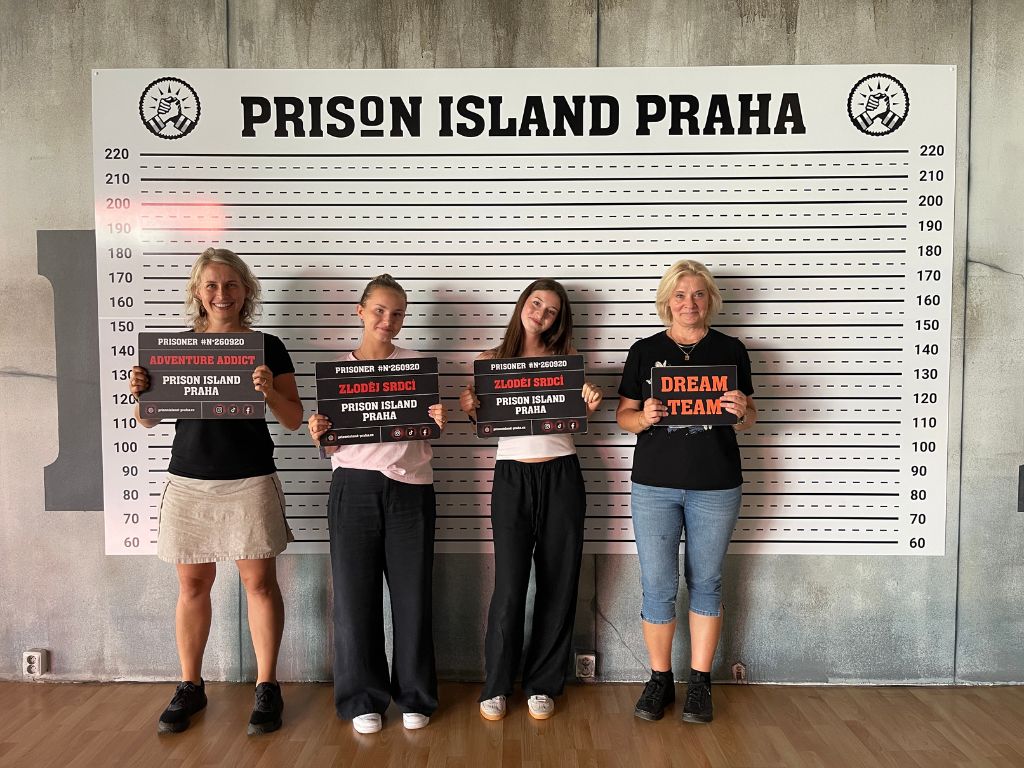
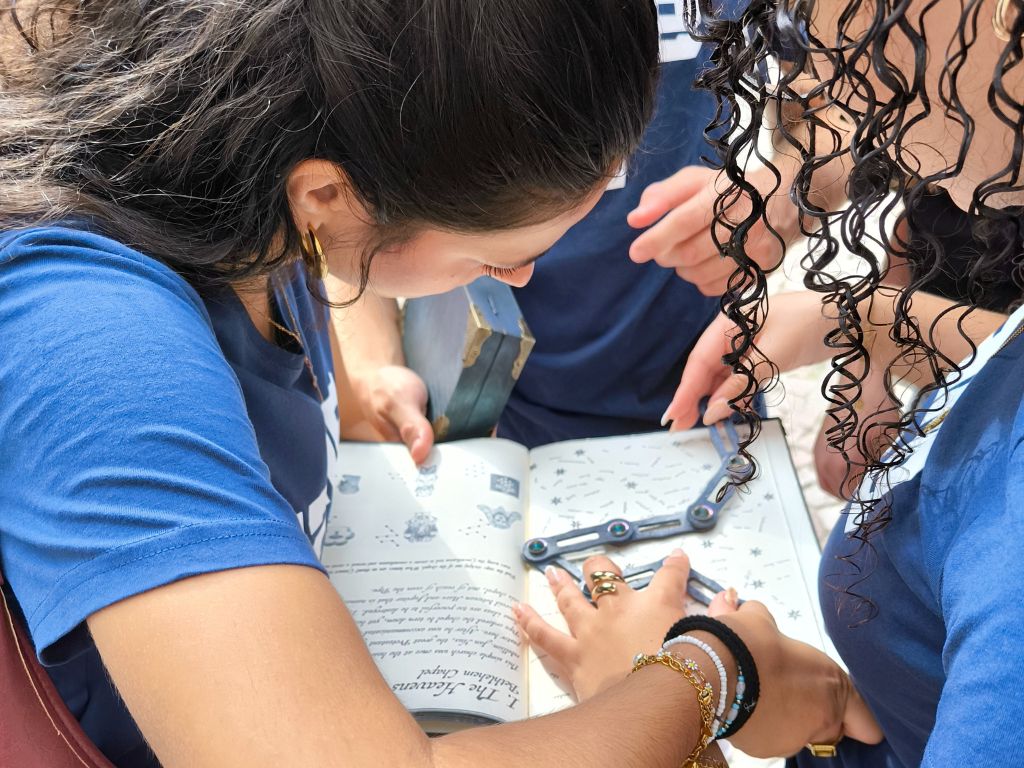
Prison Island and the outdoor MindMaze adventure took familiar game principles away from the table and turned them into real-life challenges involving teamwork, decisions and problem-solving.
The programme also introduced participants to the wider board-game sector. TLAMA Games offered another perspective on the gaming community and commercial environment, while ALBI prepared a full-day experience exploring professional game development, production and marketing alongside a practical workshop where participants developed their own concepts.
The final stage moved to Dobříš, where local organisations and community spaces supported creative activities and a session exploring entrepreneurship, artificial intelligence and board-game development.
Together, the activities formed a deliberate progression: participants first played, then experienced game mechanics in new settings, explored how games are created professionally, and finally began developing ideas of their own.
Making the Programme Work in Practice
Behind that learning journey were the practical challenges of organising an international programme.
Participants were based in Prague, close to many of the activities, while public transport was used both within the city and for travel to Dobříš. This provided a practical way of moving the group while avoiding reliance on private transport.
Budget was one of the biggest challenges.
Prague can be an expensive location for an international group, particularly when accommodation, food and specialised activities all need to fit within a project budget. This meant each activity had to justify its place in the programme and contribute clear value.
Local partnerships made a significant difference.
ALBI’s cooperation, the use of community spaces in Dobříš and support from local organisations allowed the teams to maintain the variety and quality of the programme without losing sight of the available resources.
What Participants Saw Was Only the Final Result
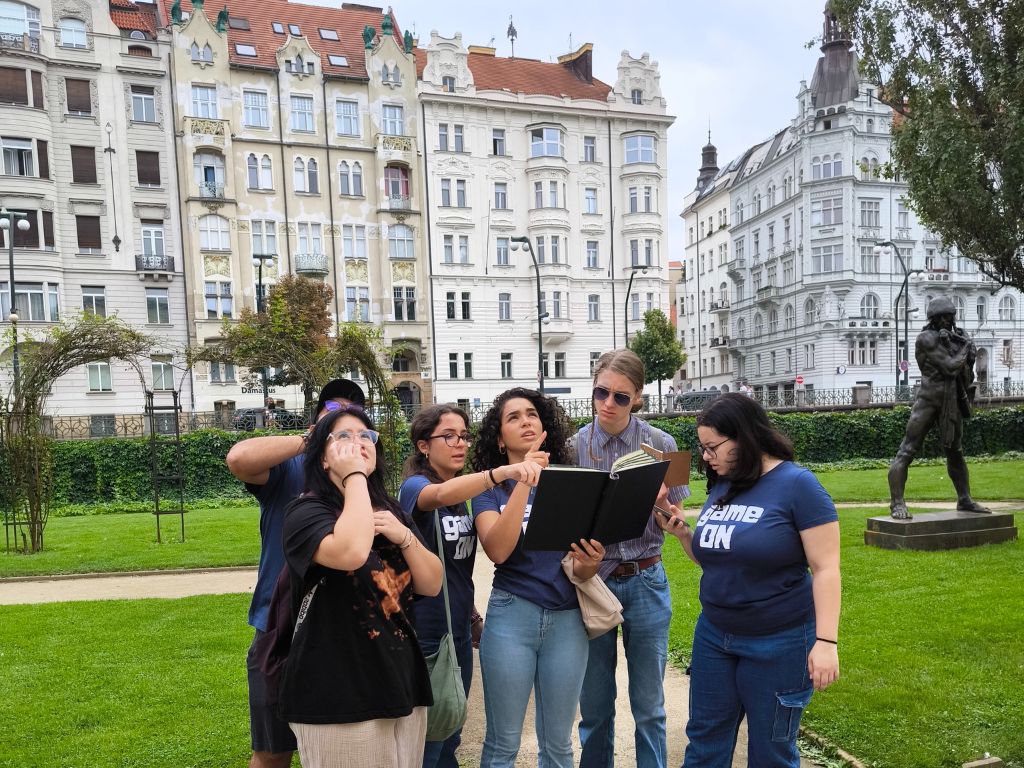
For participants, PlayQuest was seven days of games, challenges, workshops, new people and new ideas.
Behind it was a much longer process of finding venues, contacting organisations, coordinating trainers and activities, recruiting participants, managing transport and balancing ambitions against the available budget.
The programme ultimately ran as planned because of close cooperation between both sides of the partnership.
PlayQuest therefore became more than a collection of activities in Czechia. It was the result of combining the Maltese team’s project vision with the Czech team’s local knowledge, relationships and organisational work — turning an idea developed together into an international learning experience. The creative journey also helped inspire further game development, including the Czech team’s ErasmusVentures prototype.